LED strip is the product where the difference between a good choice and a cheap one shows within six months — in the colour, in the visible dots, and in how long it lasts.
Three numbers. Power per metre — how much light it actually gives; a 4.8W/m strip will not light a kitchen, a 14.4W/m one will. Chip density — the more LEDs per metre, the less the dots show through the diffuser. CRI — above 90 anywhere there is food, skin, wood or a product to sell; below 80 everything looks dead. A cheap strip usually has all three low at once, and you do not find out until it is installed.
A strip stuck straight onto plasterboard runs hot, and heat shortens its life more than anything else. An aluminium profile carries that heat away, keeps the line straight, and with the right diffuser turns a row of dots into one continuous line of light. If the strip will be visible, the profile is not optional — it is part of the product.
Inside a ceiling cove, IP20 is enough. Over a kitchen counter, with steam and cleaning, IP65. In a bathroom, in a shower, outdoors under rain, likewise IP65 or higher. Underwater — pool, fountain — only IP68, with cable and connectors of the same class. The most common mistake is not the strip: it is an unprotected connector in an otherwise correct system.
Every strip needs a driver, and the driver is sized on the total length plus about twenty per cent headroom. If the light is to be dimmed, the driver must be dimmable from the moment it is bought and matched to the control system — TRIAC, 0-10V or DALI. A non-dimmable driver does not become one later, and a mismatched one flickers at low levels.
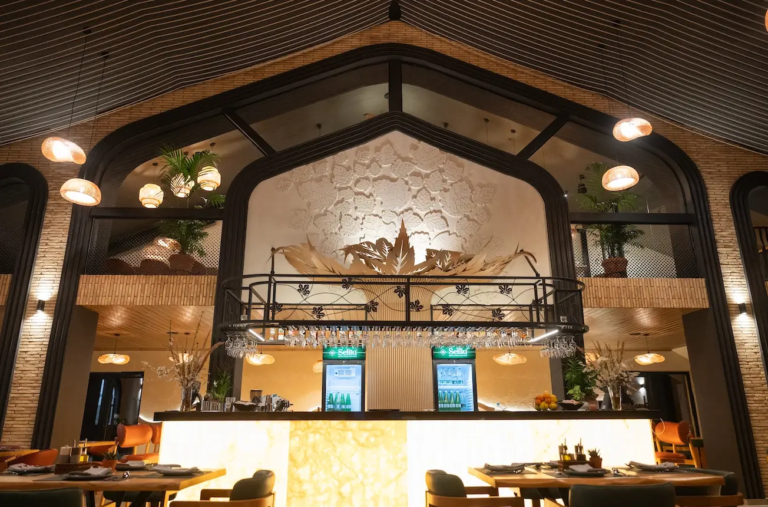
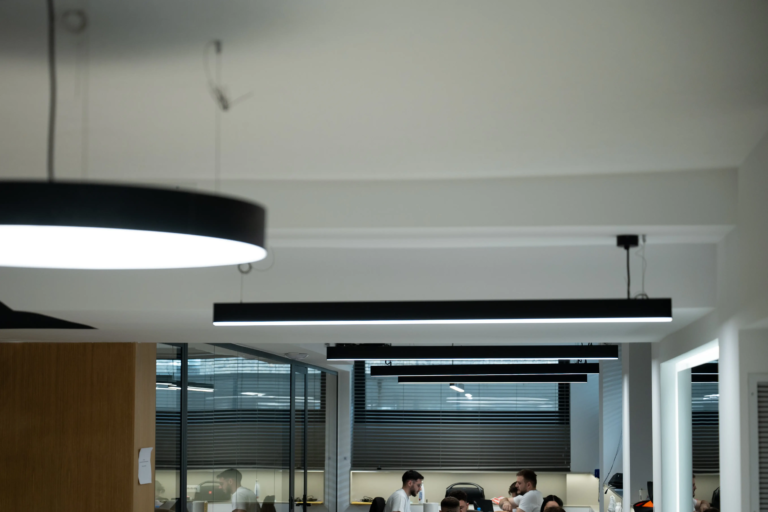
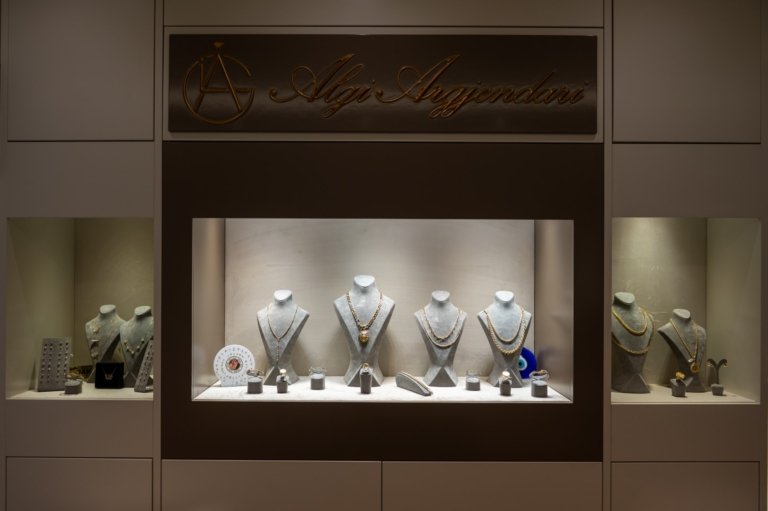
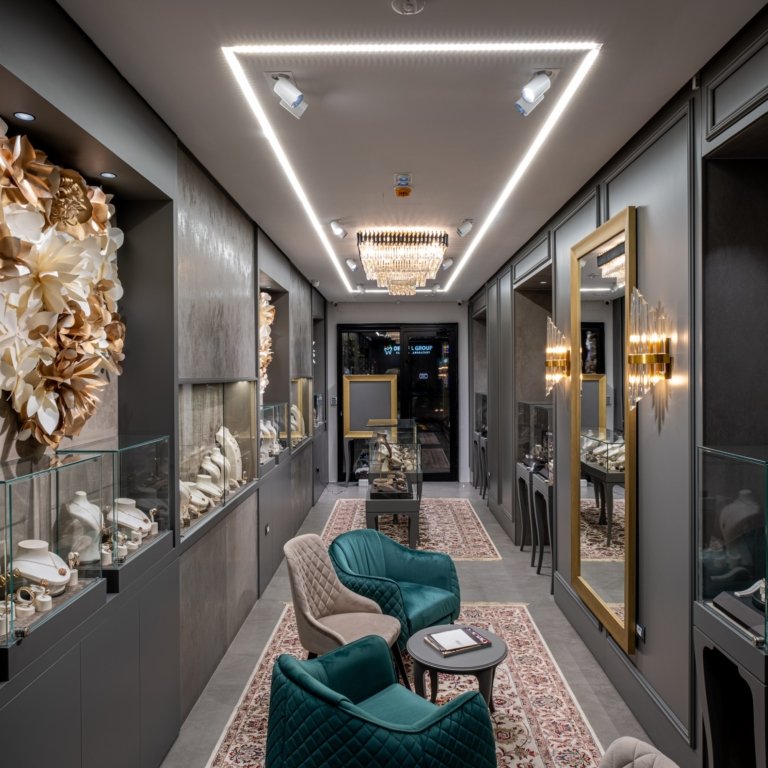
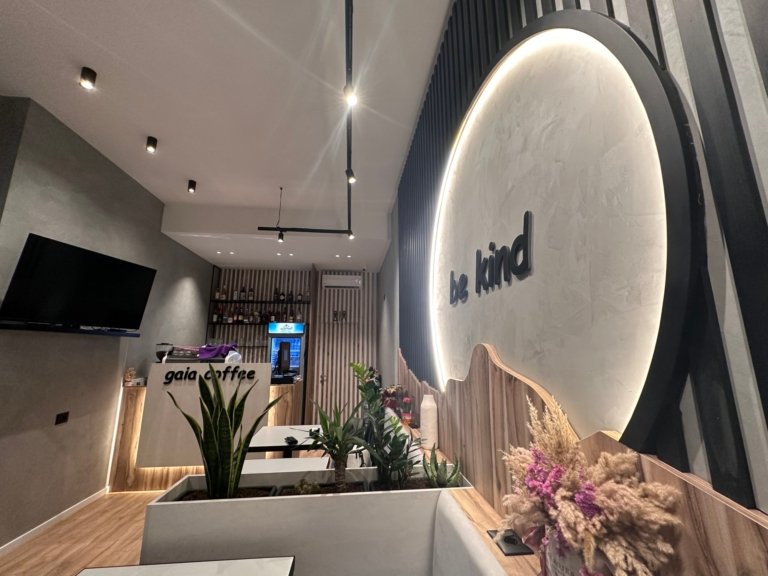
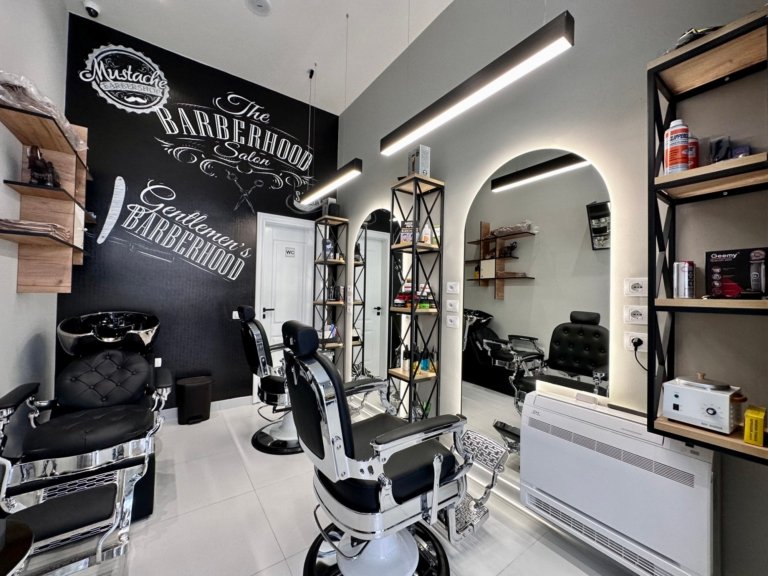
Sixty-eight of our projects contain LED strip — the most widespread of all. As a continuous line across the timber ceiling at Mema House, inside the display cases at Argjendari Algi, along the corridor at Stile Prezioso, and as concealed light behind custom profiles at Kantina Kokoneshi and Mazars.
Because the chip density is low for the depth of the profile, or the diffuser sits too close to the strip. The fix is a strip with more LEDs per metre or a deeper profile — not a darker diffuser, which just loses light.
Only at the marked cut points, every 5 to 10 centimetres depending on the model. This matters when a shelf or a niche has a fixed length — which is why measurements come before the order, not after.
A good strip, mounted in a profile and fed by a properly sized driver, runs 30,000 to 50,000 hours without visible decline. The same strip stuck onto plasterboard with no profile can dim noticeably within eighteen months.
Send us the plan or a few photos. We will tell you what the space needs — not what the catalogue happens to have.