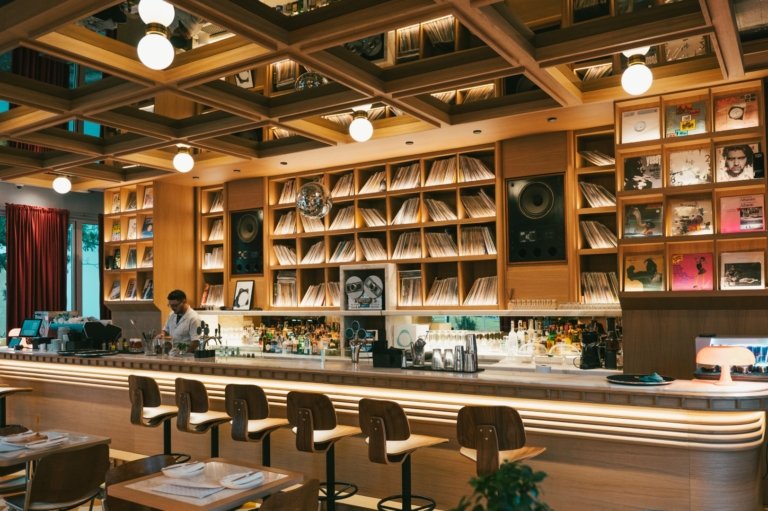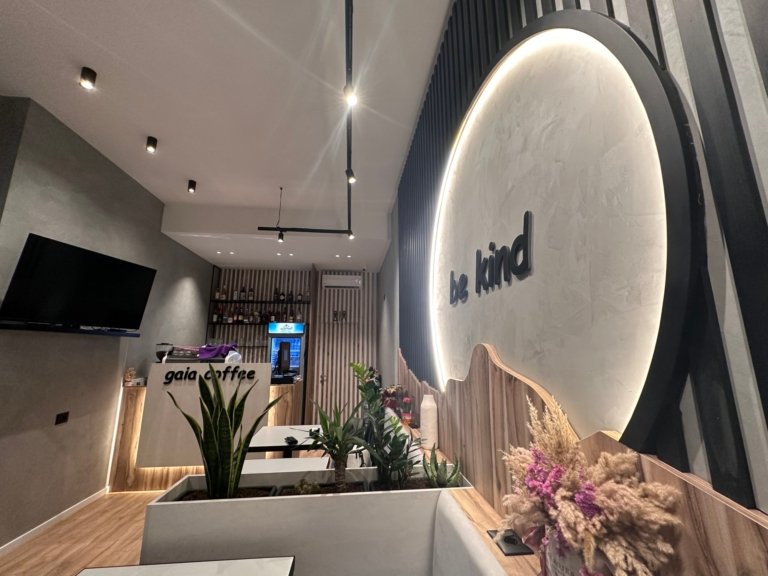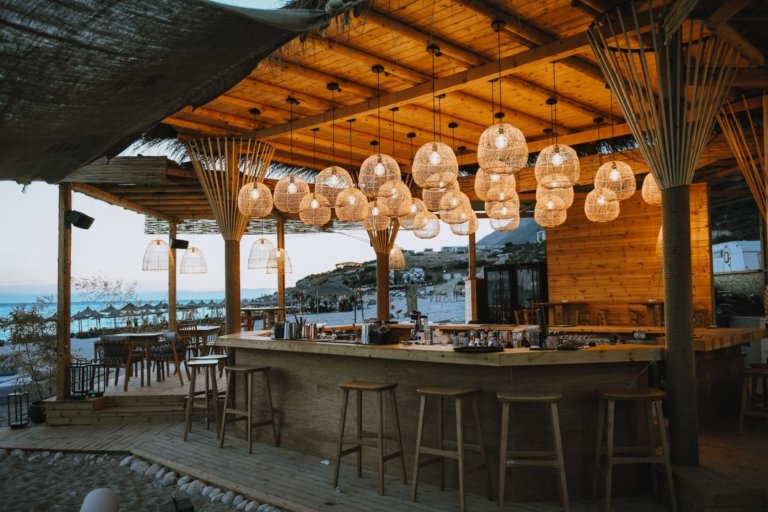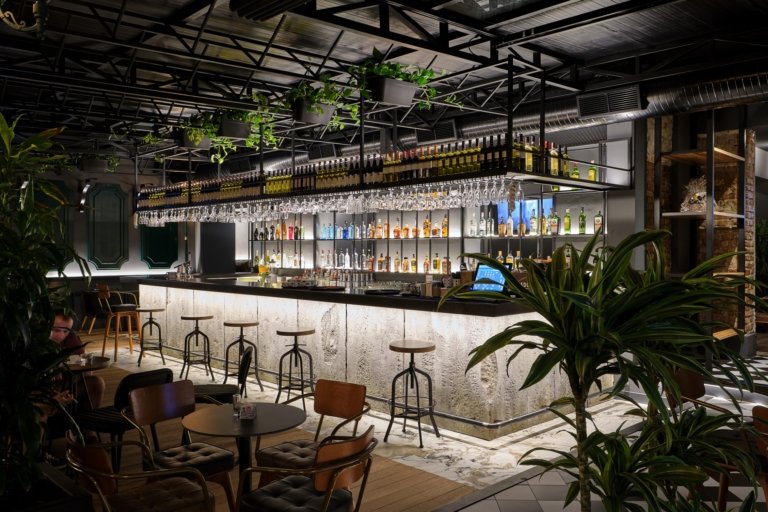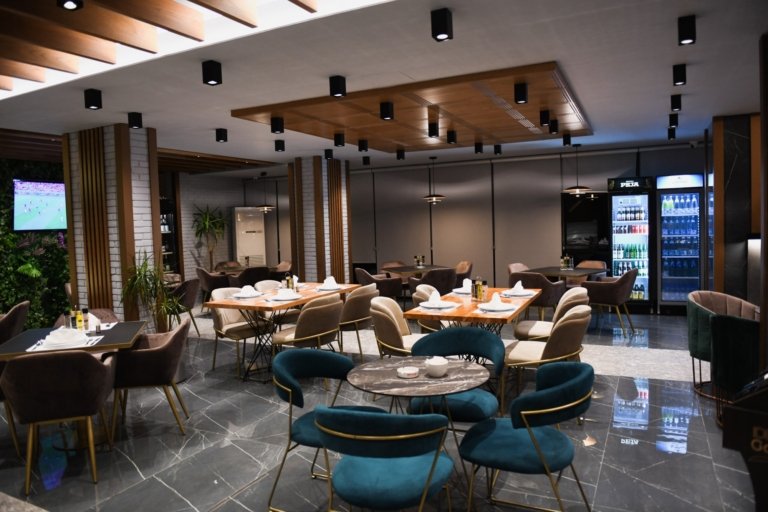
Fifty-one of our projects are bars and restaurants. It is the category we have worked in most, and the one where the wrong light is felt faster than anywhere else.
Under low-CRI light, meat looks grey, vegetables look tired and wine loses its colour. This is not aesthetics — it is how your product looks. Anywhere food is served we specify CRI above 90 and a warm temperature, 2700K to 3000K. It is the difference between a plate that gets photographed and one that passes unnoticed.
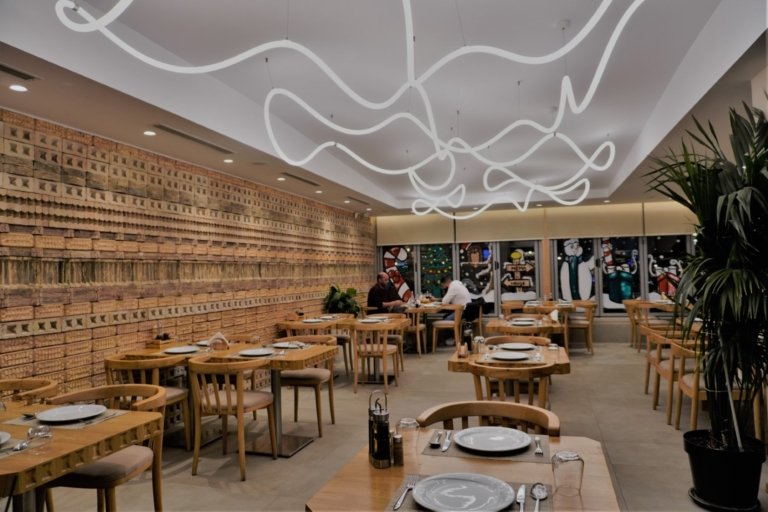
A restaurant should not be bright. It should have bright tables inside a darker room. That creates intimacy, makes tables feel separate even when they are close, and gives the space depth. It comes from narrow-beam spots or pendants dropped over each table — and from the nerve to leave the rest of the ceiling empty.
Behind the bar, LED strip under the shelves brings the bottles forward and gives the wall depth. In a pastry display, CRI and colour temperature are what make the product look fresh. And the bar itself needs task light — the bartender works with knives and liquids, not with atmosphere.
The same room has to work in the morning with daylight, at a full lunch service, and in the evening at low level. That requires the circuits to be separated in the electrical design and the drivers to be dimmable. A venue on a single switch is either too bright at dinner or too dark in the morning — always one of the two.
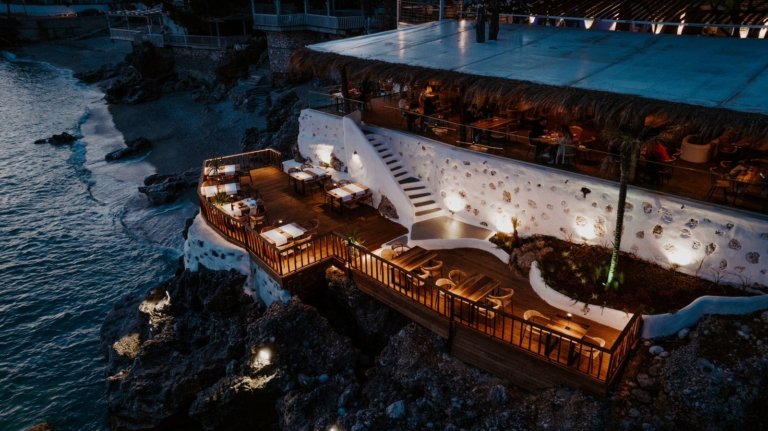
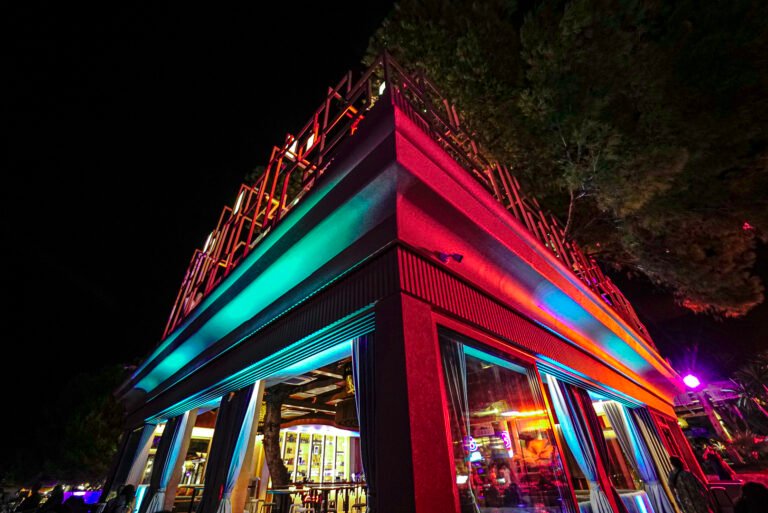
Here the outdoor area is half the business for half the year. The rules change there: IP by exposure, salt-resistant materials on the coast, and light that does not dazzle from the next table. A well-lit pergola pulls people in from the street — that is marketing that works every evening.
At the electrical design stage, before the ceilings close. Restaurant lighting has many separate circuits and exact positions over tables — none of which can be added cheaply later.
Yes, and it is a large part of our work. In a refurbishment we work with the existing positions: track, surface fixtures and pendants give flexibility without opening the ceiling.
It depends on the area, the number of covers and how much outdoor space there is. But the consultation and the first selection cost nothing — send us the plan and we will tell you what the space needs before we talk figures.
Send us the plan or a few photos. We will tell you what the space needs — not what the catalogue happens to have.