
[av_four_fifth first min_height=” vertical_alignment=” space=” custom_margin=” margin=’0px’ row_boxshadow=” row_boxshadow_color=” row_boxshadow_width=’10’ link=” linktarget=” link_hover=” title_attr=” alt_attr=” padding=’0px’ highlight=” highlight_size=” border=” border_color=” radius=’0px’ column_boxshadow=” column_boxshadow_color=” column_boxshadow_width=’10’ background=’bg_color’ background_color=” background_gradient_color1=” background_gradient_color2=” background_gradient_direction=’vertical’ src=” background_position=’top left’ background_repeat=’no-repeat’ animation=” mobile_breaking=” mobile_display=” av_uid=’av-tgs8js’]
[av_textblock size=’16’ font_color=” color=” av-medium-font-size=” av-small-font-size=” av-mini-font-size=” av_uid=’av-lizywai4′ custom_class=” admin_preview_bg=”]
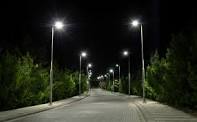
Street Lighting: How to Ensure Safety and Energy Efficiency
Street lighting is one of the key factors in guaranteeing the safety and comfort of road users.
It provides a safer environment for traffic and helps reduce accidents. Besides the safety aspect, street lighting also affects visual quality and energy savings.
Below you’ll find some practical tips for street lighting, choosing the right fixtures, and maintaining them.
1. Understand the specific lighting needs
Before starting the project, carefully assess:
-
Road type (urban, rural, highway)
-
Traffic intensity and frequency of use
-
Weather conditions (fog, rain, pollution)
-
The impact of lighting on user safety and orientation
An efficient street lighting project must be based on real traffic analysis and terrain conditions.
2. Focus on critical areas
Some points along the road need stronger, more focused lighting, such as:
-
Roundabouts and difficult curves
-
Traffic intersections
-
Areas with limited visibility or pedestrian crossings
Lighting these areas reduces the risk of accidents and improves visual perception at night.
3. Combine natural and artificial lighting
Where possible, take advantage of natural daylight, combining it with smart fixtures that automatically adjust intensity based on darkness.
Photocell systems and motion sensors help lower energy consumption and reduce light pollution.
4. Take weather conditions into account
In areas with fog, heavy rain, or high humidity, install fixtures with higher luminous flux to improve visibility.
Use anti-reflective optics to avoid unnecessary light scattering.
5. Choose LED technology
LED lighting is more efficient, longer-lasting, and more economical.
It provides even light distribution and much lower consumption compared to traditional lamps.
By using LED street fixtures, you can significantly reduce energy and maintenance costs.
6. Use certified, durable products
Choose high-quality street fixtures that withstand weather, humidity, and extreme temperatures.
Make sure products are certified to European standards (ENEC, CE, RoHS) and have IP65/IP66 protection for outdoor use.
7. Maintenance and periodic inspection
To keep street lighting efficient, carry out regular checks:
-
Clean the fixtures of dust and dirt that reduce light intensity.
-
Verify control systems (sensors, automatic switches) are working correctly.
-
Monitor energy performance to identify losses or excessive energy use.
Periodic maintenance ensures the longevity and safety of the infrastructure.
Conclusion
The right street lighting solution guarantees safety, efficiency, and sustainability.
At Vitalux, we offer professional street fixtures with advanced LED technology, for sustainable lighting and European safety standards.

[/av_textblock]
[/av_four_fifth]