
[av_four_fifth first min_height=” vertical_alignment=” space=” custom_margin=” margin=’0px’ row_boxshadow=” row_boxshadow_color=” row_boxshadow_width=’10’ link=” linktarget=” link_hover=” title_attr=” alt_attr=” padding=’0px’ highlight=” highlight_size=” border=” border_color=” radius=’0px’ column_boxshadow=” column_boxshadow_color=” column_boxshadow_width=’10’ background=’bg_color’ background_color=” background_gradient_color1=” background_gradient_color2=” background_gradient_direction=’vertical’ src=” background_position=’top left’ background_repeat=’no-repeat’ animation=” mobile_breaking=” mobile_display=” av_uid=’av-ru2w54′]
[av_textblock size=’16’ font_color=” color=” av-medium-font-size=” av-small-font-size=” av-mini-font-size=” av_uid=’av-lhbt6gm3′ custom_class=” admin_preview_bg=”]
Lighting in Museums and Art Galleries: How Light Brings Art to Life
Light is often called the fourth dimension of architecture — and nowhere is this truer than in museums and art galleries.
The right lighting design not only enhances the aesthetic appeal of artworks but also shapes the way visitors experience and connect with them.
Let’s explore essential tips and examples of successful museum and gallery lighting design, where light becomes an art form in itself.
The Power of Light in Art
Lighting can completely transform how a piece of art is perceived.
It reveals color, texture, depth, and emotion, allowing viewers to appreciate every detail.
Beyond visibility, light also creates atmosphere and guides attention, helping curators tell a visual story that resonates with visitors.
1. Determine the Type of Lighting Needed
Every artwork has unique requirements.
-
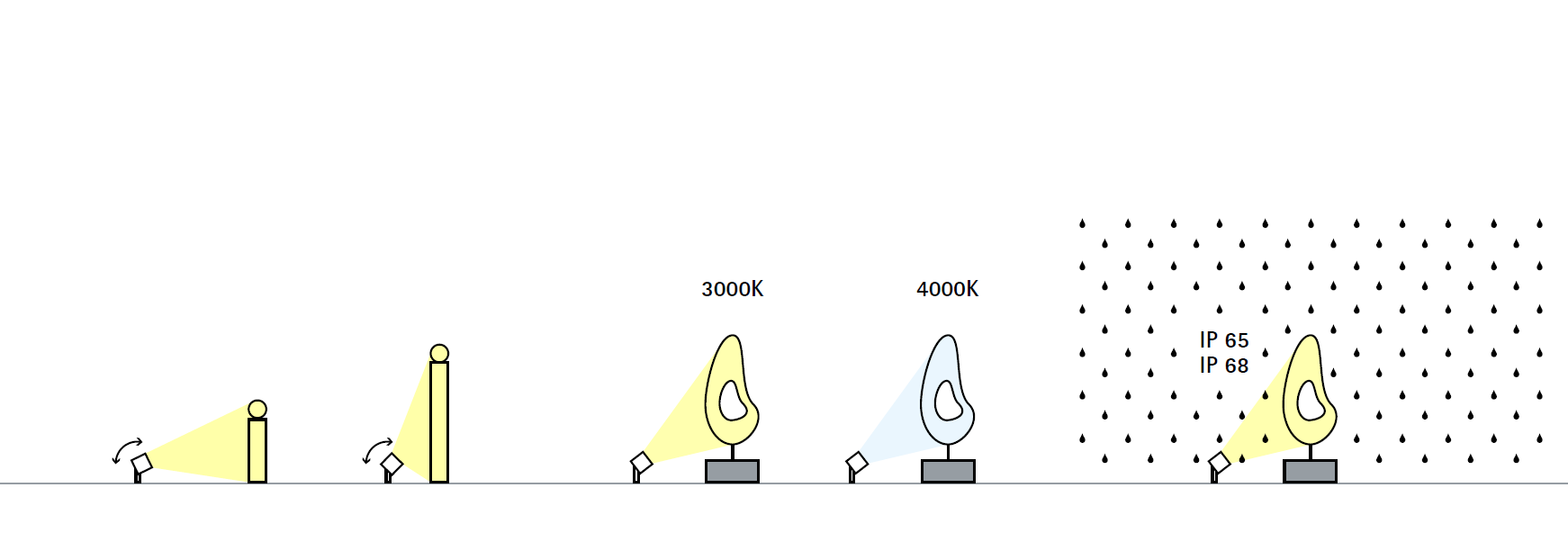
Sculptures need overhead or side lighting to emphasize their three-dimensional form and shadow play.
-
Paintings demand balanced, glare-free lighting that enhances color accuracy and fine details.
-
Installations or mixed-media pieces may require dynamic lighting that changes intensity or tone based on interaction.
Before designing a lighting scheme, analyze each artwork’s material, placement, and emotional intent.
2. Choose the Right Color Temperature
Color temperature dramatically influences the perception of art.
-
Warm white (around 3000K) emphasizes warmth and natural tones — ideal for wooden or earthy materials.
-
Neutral to cool white (4000K) brings clarity to metallic, glass, or modern artworks.
-
RGBW lighting systems can create artistic contrasts, transforming the gallery mood with subtle or dramatic color effects.
The balance between warm and cool tones ensures that light complements art rather than overpowering it.
3. Use Dimmers for Control and Preservation
Light intensity affects both ambience and artwork longevity.
Using dimmers allows flexibility — from creating immersive moods to protecting sensitive materials.
-
Dimming reduces long-term light exposure, preserving pigments and textures.
-
Adjustable levels accommodate new exhibits and changing daylight conditions.
-
It enables seamless transitions between different zones or moods within the same space.
Smart dimming systems combined with LED technology are now essential tools in modern museum lighting.
4. Learn from Successful Lighting Designs
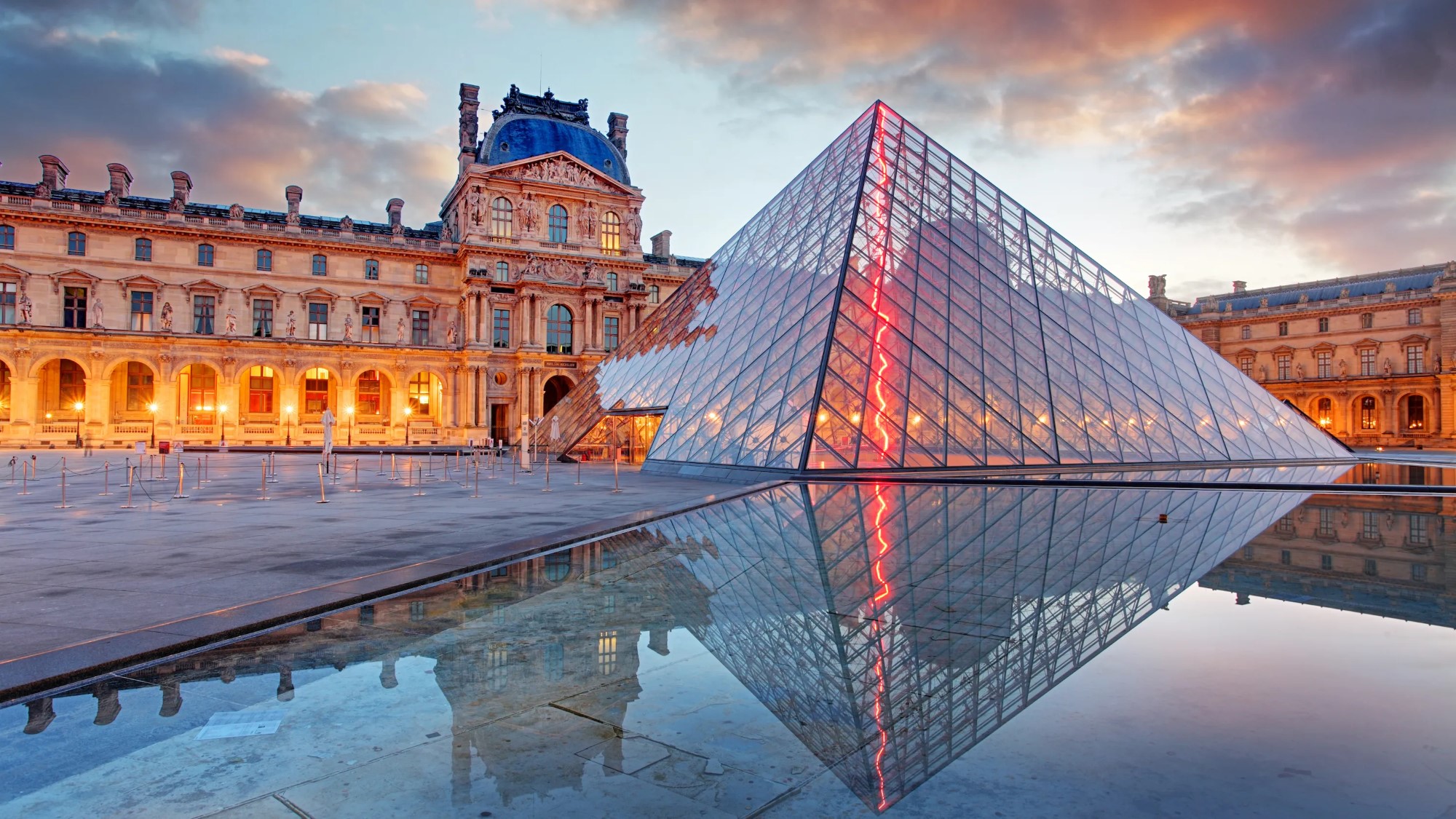
The Louvre Museum, Paris
A perfect example of balanced lighting design.
Natural light enters through the iconic glass pyramid, illuminating sculptures with a dramatic yet soft glow.
Inside, artificial LED lighting creates intimate, controlled environments that highlight each masterpiece without glare or shadow distortion.
Tate Modern, London
Here, overhead and accent lighting work together to highlight textures and forms.
Accent lights bring vibrancy to paintings, while general ambient lighting maintains harmony throughout the space.
This dynamic mix encourages visitors to experience each piece from multiple perspectives.
Conclusion: Lighting as the Language of Art
In a museum or gallery, lighting is more than illumination — it’s storytelling.
By using the right combination of LED systems, color temperature control, and dimming, designers can reveal the true essence of every piece.
Thoughtful lighting enhances aesthetic appeal, preserves art, and provides visitors with an unforgettable, emotional experience.
At Vitalux, we believe that every light should speak the language of the artwork it illuminates.
[/av_textblock]
[/av_four_fifth]